
Understanding Apology Languages:
Insights for Meaningful Relationships

Apologizing in Relationships: Unlocking Emotional Harmony
Unlocking Relationship Harmony Through Effective Apologies: Mastering the 5 Apology Languages for Personal and Workplace Healing
Apologies are one of the simplest—and most powerful—tools we have for repairing connection and rebuilding trust. When offered well, an apology turns conflict into an opening for growth. This article introduces the 5 Apology Languages, a practical framework from Dr. Jennifer Thomas and Dr. Gary Chapman that describes five distinct ways people give and receive remorse. Learn how to speak these languages so your apologies land, your relationships deepen, and both personal and workplace conflicts move toward real resolution. Many of us mean well but miss the mark—this guide shows what to say, how to act, and why it matters.
What Are The 5 Apology Languages And How Do They Improve Relationships?
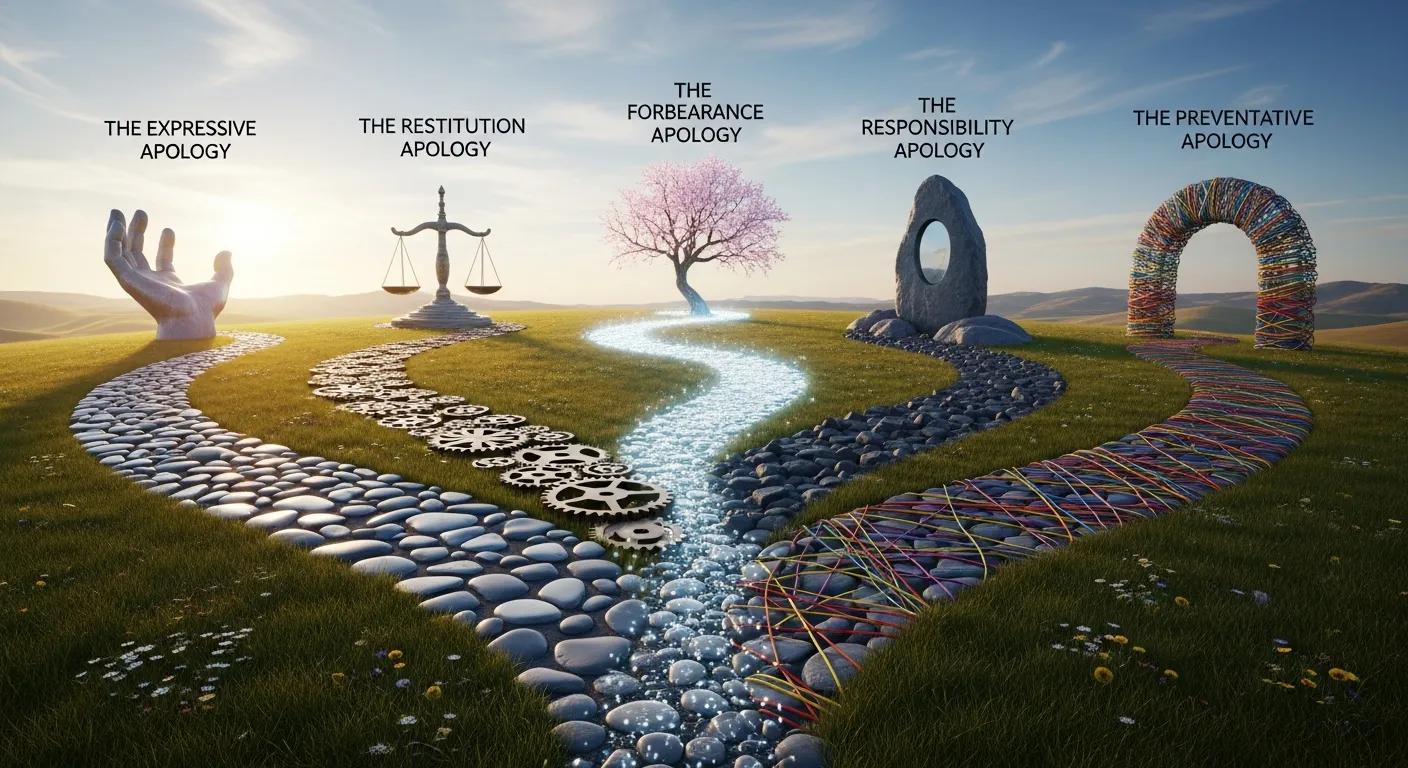
The 5 Apology Languages give you a clear way to understand how different people accept remorse. Each language names a distinct approach—how someone prefers to hear an apology or how they offer one—so you can match your response to the person you’re trying to repair things with. Using these languages intentionally improves communication, reduces misunderstanding, and strengthens emotional connection.
What Is The Framework Behind The 5 Apology Languages?
The 5 Apology Languages were developed by Dr. Jennifer Thomas and Dr. Gary Chapman. They identified five core ways people apologize: Expressing Regret, Accepting Responsibility, Making Restitution, Genuinely Repenting (Planning for Change), and Requesting Forgiveness. Each serves a particular role in repair—Expressing Regret acknowledges the pain; Accepting Responsibility names the action; Making Restitution offers a concrete fix; Genuinely Repenting shows a plan to change; Requesting Forgiveness invites reconciliation. Knowing the framework helps you choose the element that will most resonate with the person you’ve hurt.
How Does Understanding Each Apology Language Foster Relationship Harmony?
When you learn someone’s apology language, your remorse feels relevant rather than generic. A person who values Making Restitution, for example, will respond more to tangible gestures than to words alone. Adapting your apology improves emotional intelligence and conflict resolution—skills that deepen personal bonds and create more empathetic workplace cultures. In short, matching the apology to the recipient closes the gap between intent and impact.
How Can You Apologize Sincerely To Rebuild Trust And Heal Connections?
A sincere apology does more than say “I’m sorry.” It acknowledges harm, shows real regret, and signals a readiness to do better. Those elements are what rebuild trust and open the door to healing.
What Are The Essential Elements Of A Genuine Apology?

A genuine apology typically includes three essential parts:
Acknowledgment of Wrongdoing: Say clearly what you did and how it affected the other person so they feel seen and understood.
Expression of Remorse: Offer sincere regret—don’t minimize the harm or make excuses.
Commitment to Change: Describe concrete steps you’ll take to prevent the same mistake in the future.
Together, these elements show accountability and respect, and they make forgiveness more likely.
How Do You Tailor Apologies To Different Relationship Contexts?
Context matters. With close friends or partners, heartfelt language and presence are often enough. In professional settings, clarity, responsibility, and a plan for change are usually expected. The key is to read the situation and choose the apology language and format that the other person will find meaningful—this shows respect for their needs and moves the relationship forward.
What Are Effective Workplace Apology Strategies To Resolve Conflict And Enhance Team Dynamics?
At work, effective apologies keep teams functioning and preserve trust. When handled well, they prevent small problems from becoming persistent resentments and promote a culture of accountability.
How Does "Making Things Right At Work" Guide Professional Apologies?
"Making Things Right At Work" encourages employees to own mistakes and take practical steps toward repair. In a professional context that means acknowledging the error, explaining why it happened without deflecting blame, and outlining corrective actions so colleagues feel respected and confident in the outcome.
What Are Best Practices For Leaders And Employees When Apologizing At Work?
Be Timely: Address the issue quickly to prevent it from escalating.
Be Specific: Name the mistake and the impact so colleagues know you understand what went wrong.
Follow Up: Check back after your apology to confirm the situation improved and to demonstrate follow-through.
These steps build a workplace where people feel safe, heard, and valued.
What Are The Psychological And Relational Benefits Of Sincere Apologies?
Sincere apologies do more than smooth over conflict—they support emotional recovery, reduce resentment, and strengthen trust over time.
How Do Apologies Promote Forgiveness And Emotional Healing?
A well-crafted apology validates the injured person’s feelings and helps them process the hurt. That validation is a crucial step toward forgiveness and emotional closure. Studies show that when people receive genuine apologies they report less anger, greater empathy, and a stronger willingness to repair the relationship.
What Recent Research Supports The Impact Of Effective Apologies?
Contemporary research finds consistent links between effective apologies and improved relationship satisfaction. People who receive apologies that include responsibility and plans to change are more likely to forgive and less likely to maintain negative feelings. That evidence reinforces the practical value of learning how to apologize well.
How Can You Discover Your Apology Language And Use Tools To Improve Communication?
Learning your apology language—and the languages of those around you—makes apologies more effective. The insight helps you give remorse in ways others actually find meaningful.
What Is The Apology Language Quiz And How Does It Help?
The Apology Language Quiz helps you pinpoint which of the five languages you naturally use and prefer to receive. Answering a few short questions gives you quick, actionable feedback so you can tailor apologies to fit your partner, friend, or colleague—improving connection and reducing friction.
How Does The AI-Powered Apology Helper Assist In Crafting Meaningful Apologies?
The AI-Powered Apology Helper offers customized suggestions based on your apology language and the situation. It helps you choose words and actions that feel authentic and relevant, so your apology lands with clarity and care while still reflecting your voice.
Where Can You Access Dr. Jennifer Thomas’s Resources For Unlocking Relationship Harmony?
Dr. Jennifer Thomas provides a range of books, workshops, and tools designed to help people repair relationships and communicate with greater empathy and effectiveness.
What Books And Workshops Does Dr. Thomas Offer On Effective Apologies?
Dr. Thomas has written books and runs workshops that apply the 5 Apology Languages to everyday relationships and workplace dynamics. These resources offer practical exercises, real-world examples, and step-by-step guidance for making apologies that actually heal.
How Can Speaking Engagements And Coaching Support Your Apology Journey?
Speaking events and one-on-one coaching give tailored support for navigating apologies and conflict repair. They provide personalized strategies, live practice, and feedback so you can build the skills needed to apologize with confidence and integrity.
Frequently Asked Questions
What are the common mistakes people make when apologizing?
Common errors include being vague, shifting blame, or minimizing the other person’s experience. Rushing the apology without showing real remorse or a plan to change also undermines repair. A strong apology is specific, centers the harmed person, and includes clear follow-up steps.
How can I identify someone else's apology language?
Watch how they respond to past apologies and what they value after a hurtful event. Do they calm down when you offer to fix something? Do they need you to name the mistake? Asking gentle questions about what they need after conflict can also reveal their preferred apology style.
Can apologies be effective in professional settings?
Absolutely. Thoughtful apologies restore trust, improve collaboration, and model accountability. In work contexts, clear responsibility and a practical plan for improvement are especially persuasive and help maintain team cohesion.
What role does emotional intelligence play in effective apologies?
Emotional intelligence is central: it helps you recognize the harm, regulate your response, and empathize with the other person. Those skills let you offer an apology that feels genuine and meets the emotional needs of the person you’ve affected.
How can I practice my apology skills?
Try role-playing, journaling about past conflicts, and asking trusted people for honest feedback. Use tools like the Apology Language Quiz to identify strengths and gaps, and rehearse concrete commitments you can follow through on.
What are the long-term benefits of mastering the art of apology?
Over time, skilled apologies build deeper trust, reduce chronic resentment, and increase emotional resilience. People who apologize well tend to have healthier relationships, better teamwork, and greater personal wellbeing.